Motorcycle Accidents
Built on evidence, not stereotypes about riders.
Riders often face unfair bias from insurers and juries alike — an assumption that the motorcycle must have been at fault simply because it’s a motorcycle.
We push back on those assumptions and build cases grounded in accident reconstruction, physical evidence, and expert testimony, not speculation.
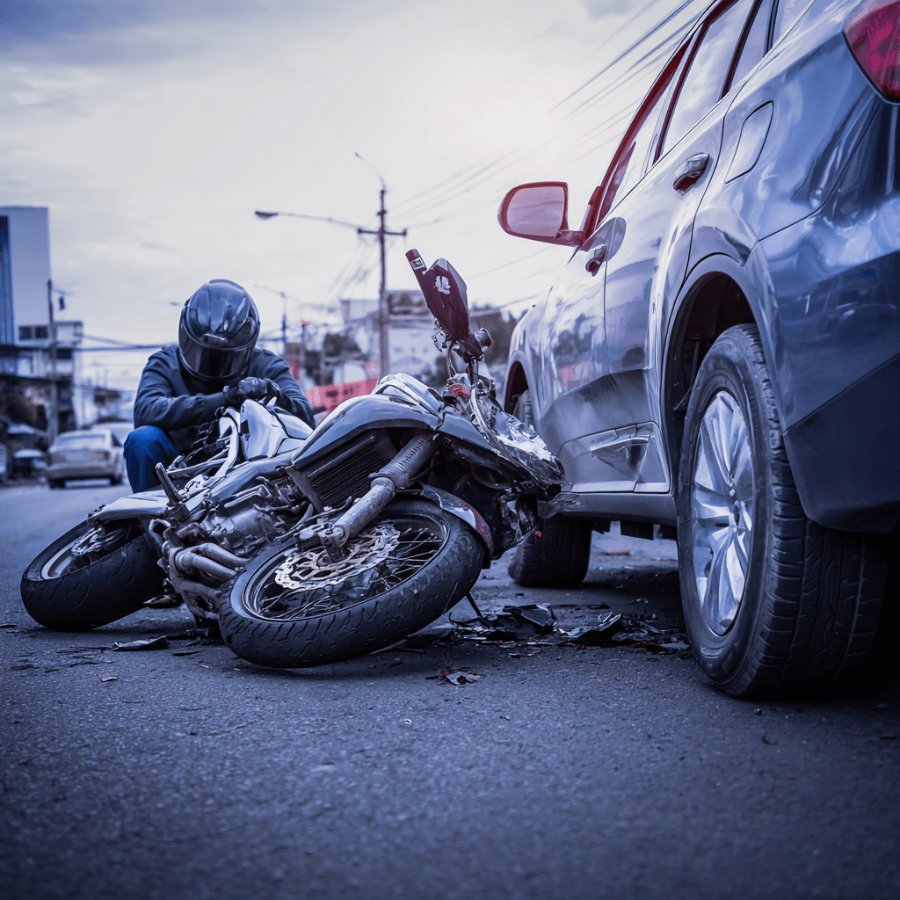
Types of Motorcycle Accidents We Handle
Left-Turn Collisions
The most dangerous and common scenario — a driver turning left across a rider’s path at an intersection, often at high closing speed.
Lane-Splitting Incidents
Lane splitting is legal when done safely. We build cases showing driver negligence caused the collision, not the rider’s lawful lane position.
Side-Impact Accidents During Lane Changes
A driver failing to check a blind spot before changing lanes can strike a rider with little warning.
Rear-End Crashes at Traffic Signals
A distracted driver failing to notice a stopped motorcycle at a light or stop sign.
Multi-Vehicle Pile-Ups
Chain-reaction highway collisions where riders are especially vulnerable to being caught between larger vehicles.
Hit-and-Run Accidents
We work with law enforcement to identify fleeing drivers and pursue uninsured-motorist coverage in the meantime.
Defect & Maintenance Cases
Defective tires, brake failures, or improper maintenance pursued against manufacturers and service providers.
Common Causes
- Drivers failing to see or yield to riders
- Left-turn and lane-change collisions
- Road hazards and poor surface conditions
- Unsafe following distance
What You May Recover
- Medical and rehabilitation costs
- Gear, equipment, and motorcycle repair
- Lost income during recovery
- Compensation for permanent impairment
What Your Case May Be Worth
Every case is different — these ranges are illustrative starting points, not a promise of outcome.
Moderate Injuries
Multiple fractures or extensive road rash requiring skin grafts and several months of treatment.
Severe Injuries
Traumatic brain injuries or spinal cord damage causing partial paralysis and multiple surgeries.
Catastrophic Injuries
Complete spinal cord injuries, severe brain damage, or amputation requiring lifetime care.
What To Do After a Motorcycle Accident
Call 911
An official police report is often required for injury accidents and is hard for insurers to dismiss.
Document the scene thoroughly
Photograph the vehicles, damage, injuries, road conditions, skid marks, and traffic signals.
Collect complete contact information
Names, addresses, phone numbers, insurance details, and license numbers from everyone involved.
Get a prompt medical evaluation
Adrenaline can mask serious injuries, and timely records tie your condition to the crash.
Preserve the motorcycle
Don’t authorize repairs until it’s been examined — damage patterns can help prove how the crash happened.
Mistakes to Avoid
- Admitting fault or apologizing at the scene
- Giving a recorded statement to the other driver’s insurer
- Accepting a quick settlement offer
- Posting about the accident on social media